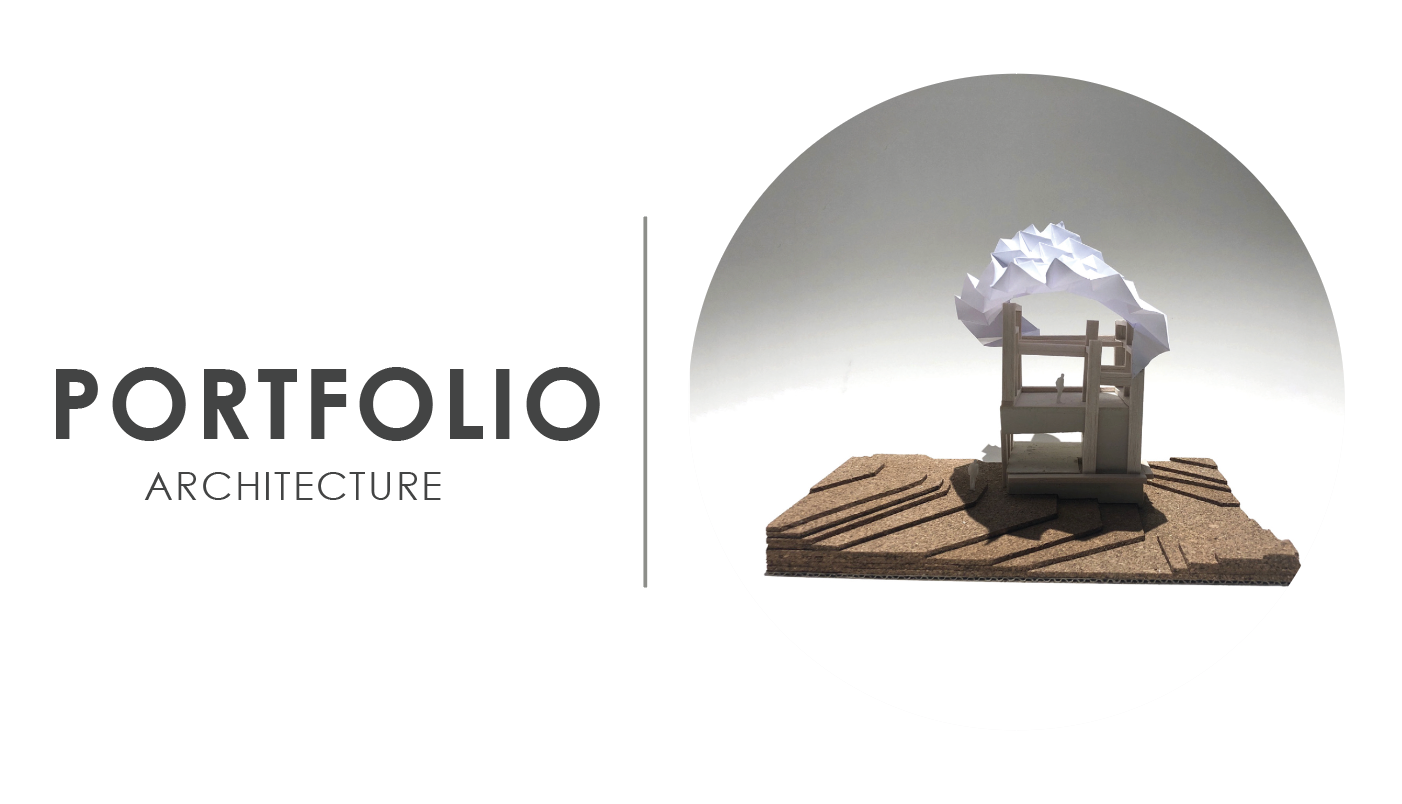
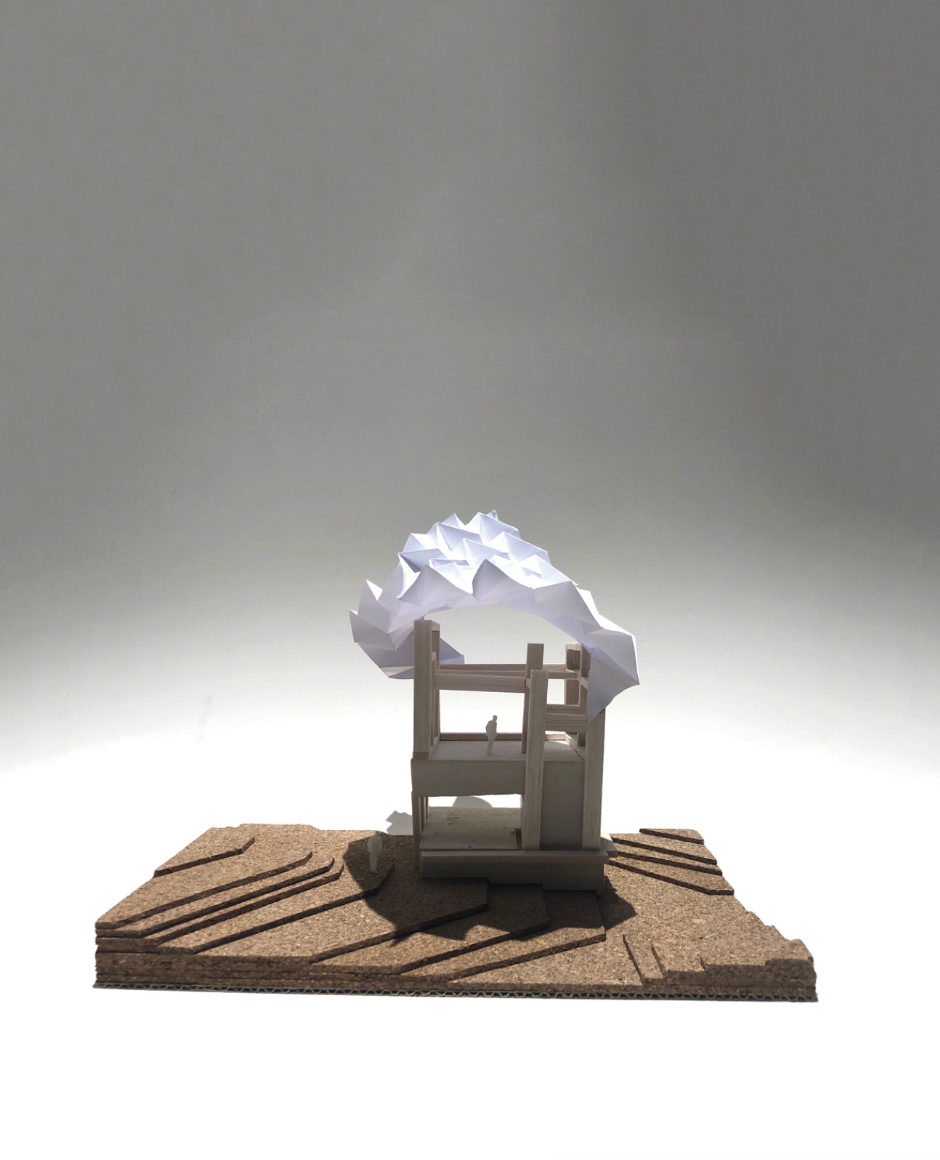
The concept of Herringbone Tessellation in architecture, as explored in the journal, represents a unique approach to creating patterns and structures that are both functional and aesthetically compelling. This method involves the arrangement of repeated units in a way that interlocks and creates a visually dynamic surface, which is especially effective in architectural applications where the integration of structure and ornamentation is desired.
| Design Process and Development |
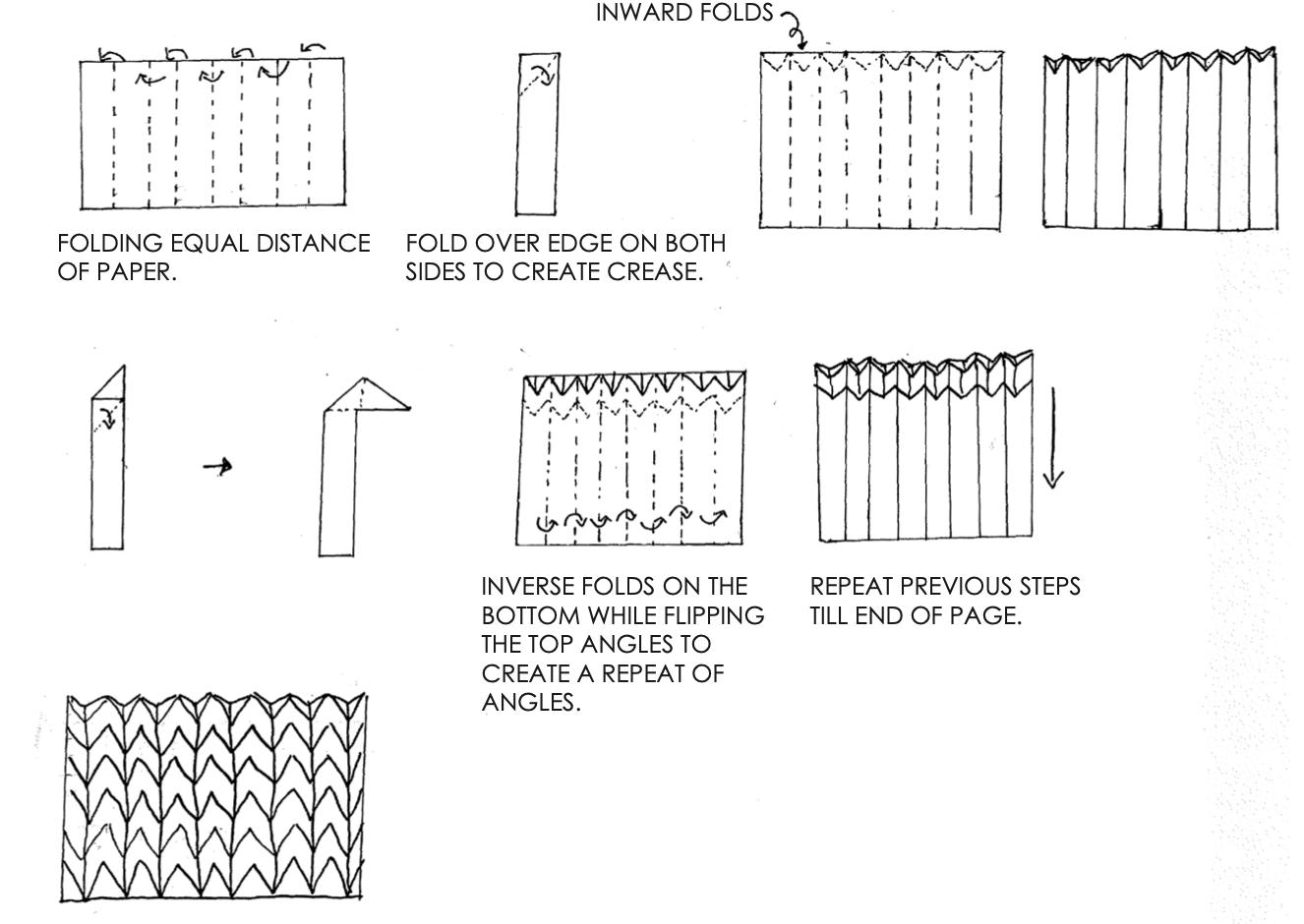
The process begins with the exploration of basic tessellation patterns, which are then expanded and manipulated to fit architectural needs. By adjusting the angles and connections between units, the tessellation pattern evolves into a complex structure that can adapt to various surfaces and forms.
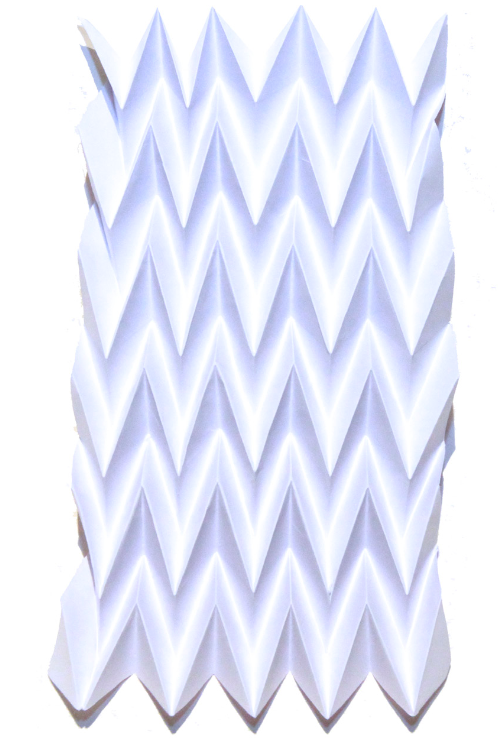
This method was applied in the design process to create surfaces that are not only structurally sound but also capable of generating a sense of movement and fluidity. The herringbone pattern, known for its zigzag interlocking design, was particularly effective in creating a dynamic interaction between light, shadow, and form.
| Structural and Aesthetic Integration |
In the application of herringbone tessellation, the pattern serves both a structural and an aesthetic function. Structurally, the interlocking units provide strength and stability to surfaces, allowing for the creation of large, continuous spans without compromising integrity. Aesthetically, the pattern generates a sense of rhythm and continuity, which can be used to guide the viewer's eye across the surface of the building.
| Final Model and Application |
The final model incorporates the herringbone tessellation as a key design element, demonstrating its versatility and effectiveness in architectural design. The pattern was adapted to fit various surfaces within the model, creating a cohesive and integrated design. The use of this tessellation not only enhances the visual appeal of the structure but also contributes to its overall functionality by providing additional surface area and structural support.
The exploration of herringbone tessellation architecture highlights the potential for traditional patterns to be reimagined and adapted for modern architectural applications, offering a blend of form, function, and visual intrigue.
Site Model Development
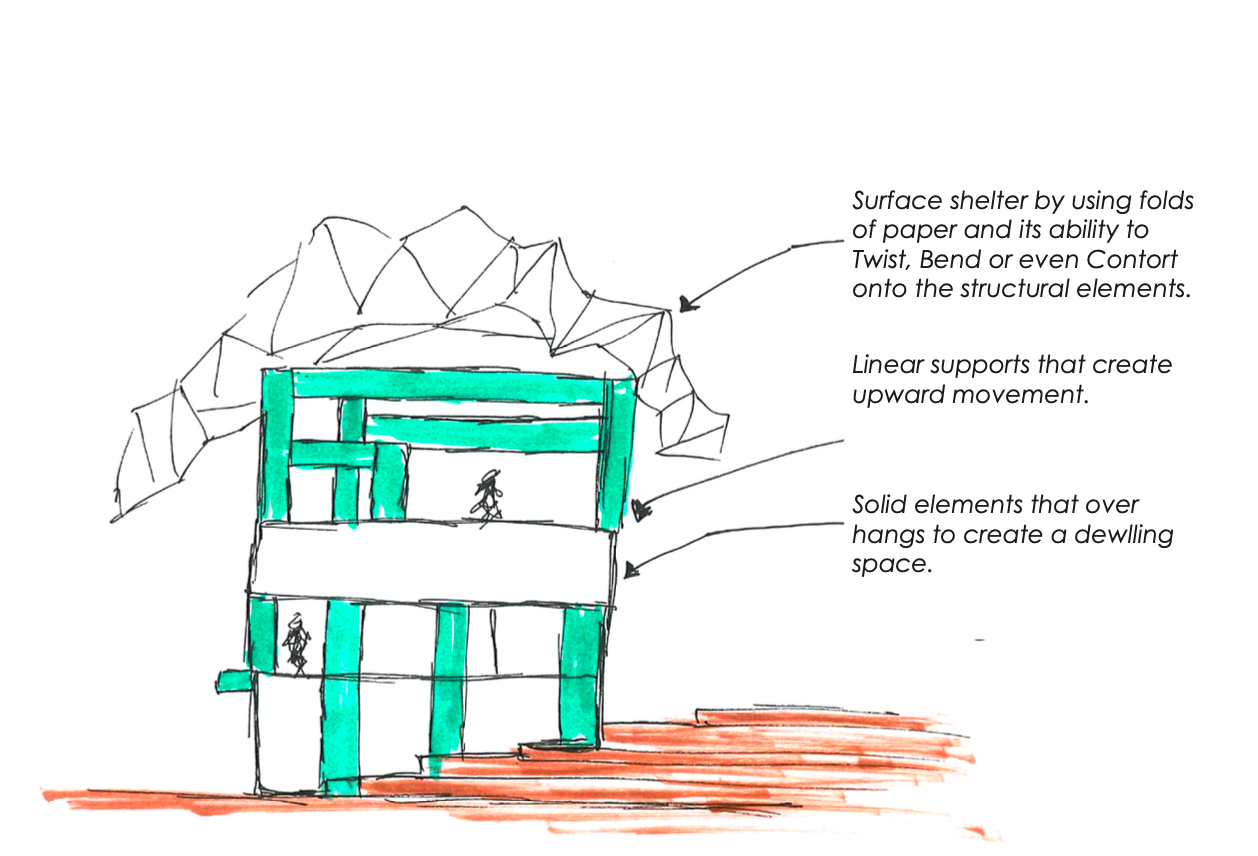
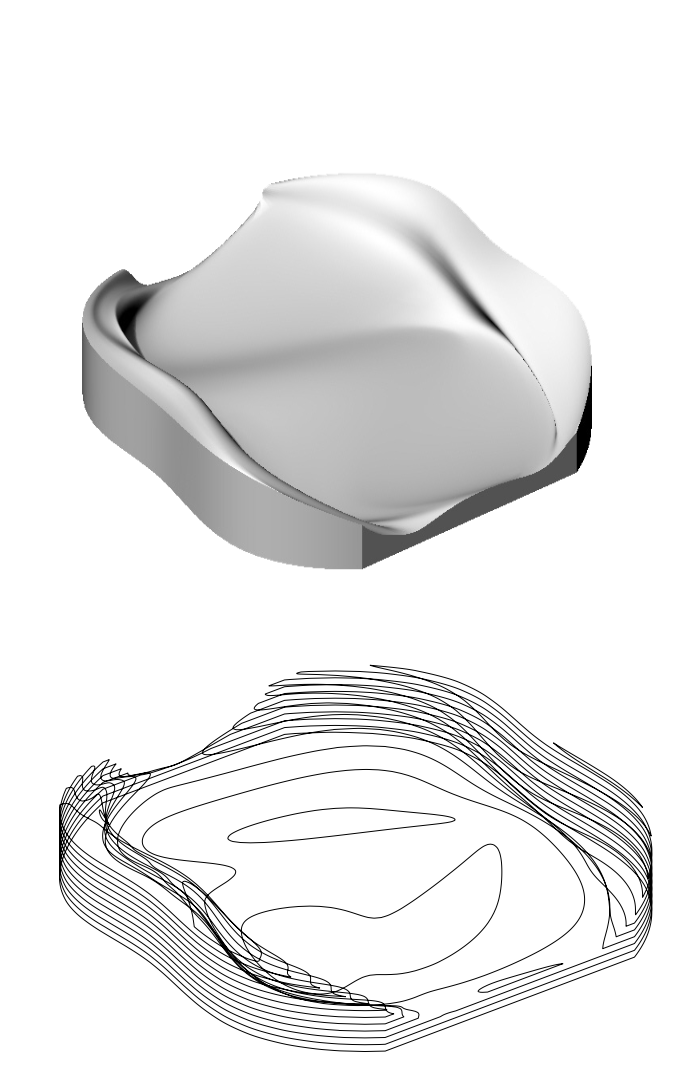
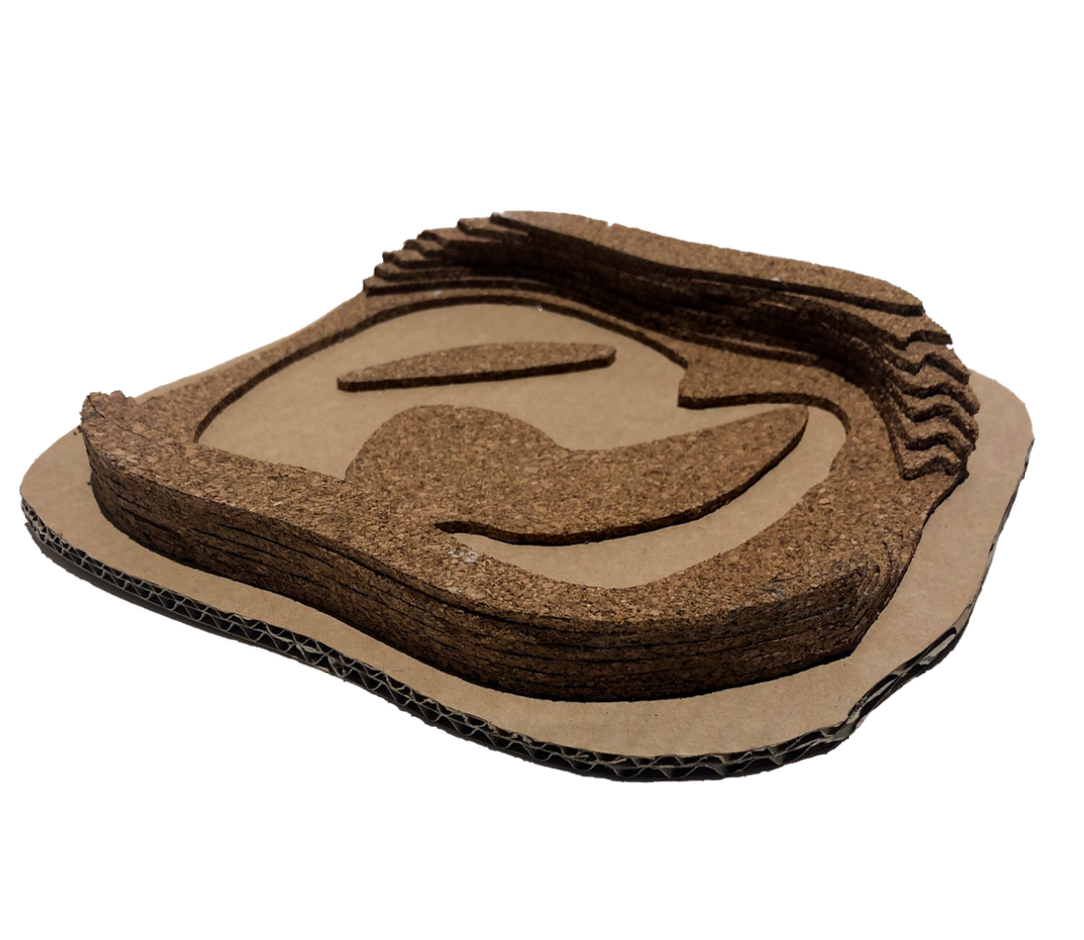
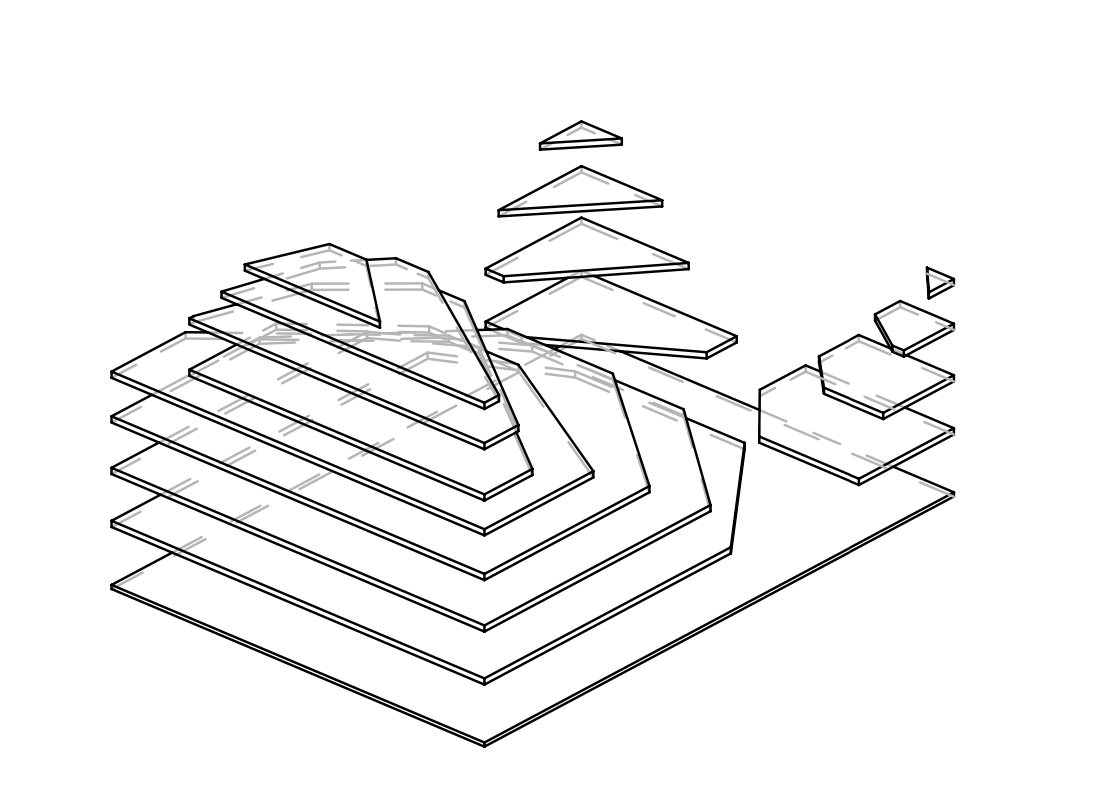
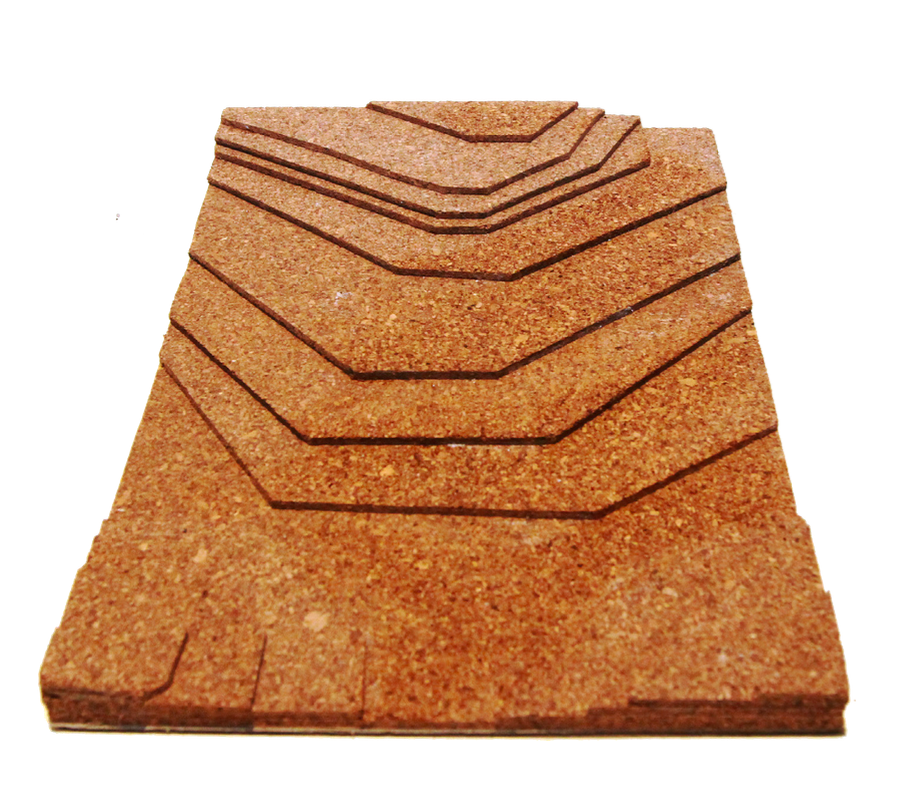
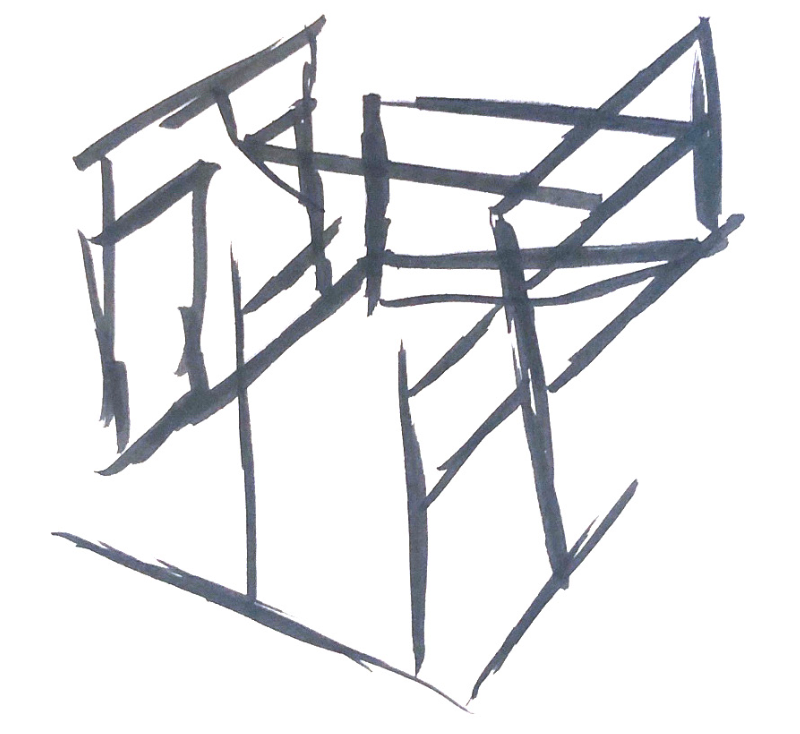
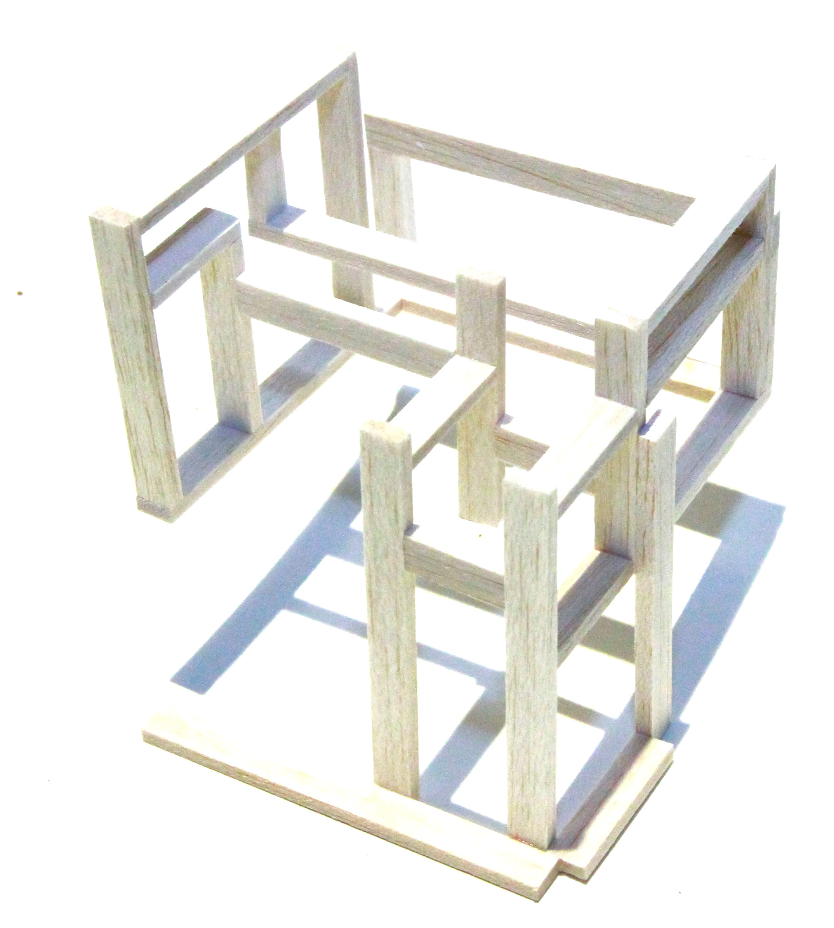
Initial site models were constructed using CAD drawings to establish a clear, consistent layering technique. This approach ensured accurate curvature and height consistency across the design. The models experimented with the integration of surface shelters, linear supports, and solid elements, which contributed to the creation of dynamic spaces. A significant focus was on how these elements could twist, bend, or contort to interact with the structural components of the site.
Solid Model Exploration
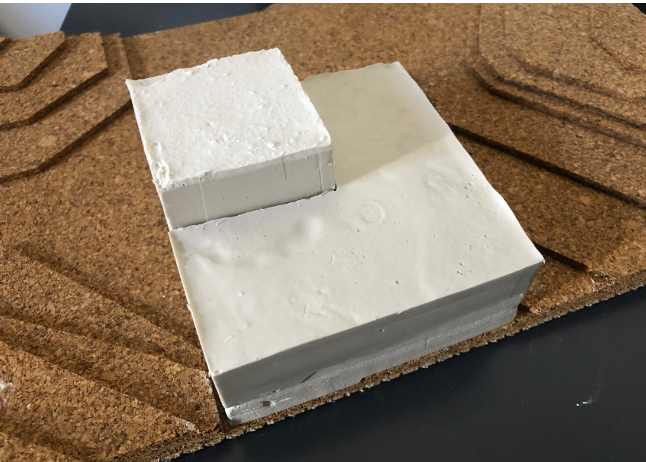
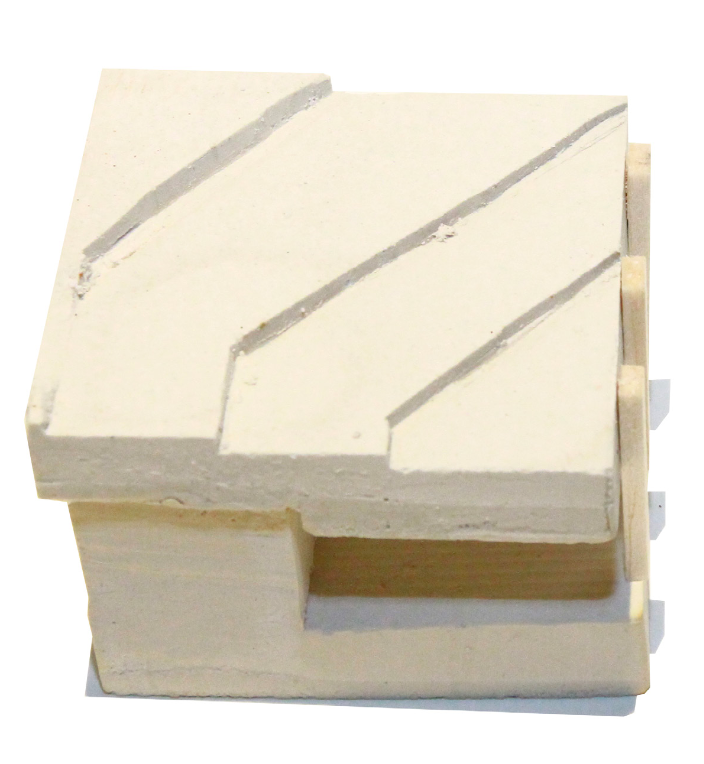
The solid model phase involved the exploration of moulding techniques to understand the impact of different textures and shapes. This process included experimenting with multiple layers of pouring to achieve varying finishes and solidity. These trials aimed to determine whether separate pours could maintain structural integrity or if a single, continuous pour provided a superior finish.
Linear Model Investigation
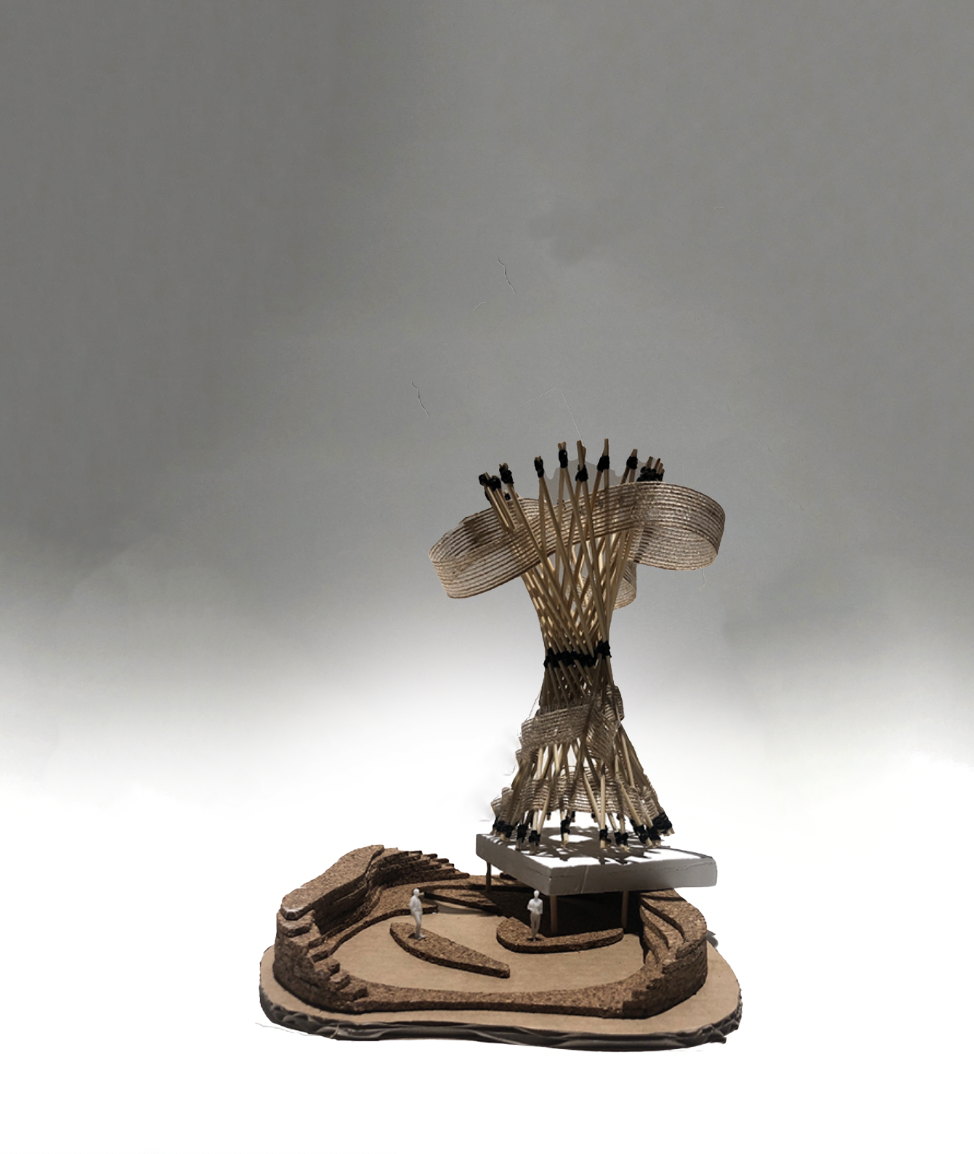
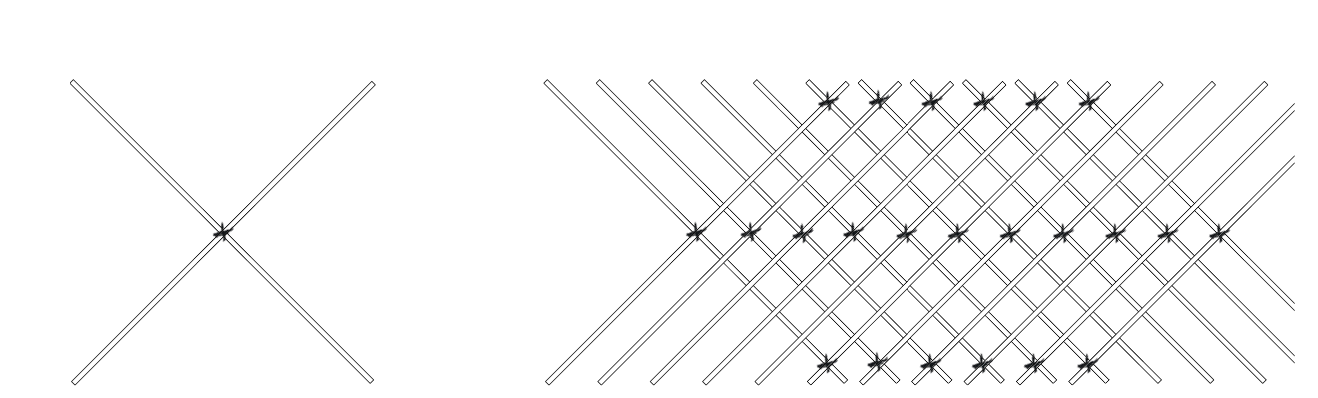
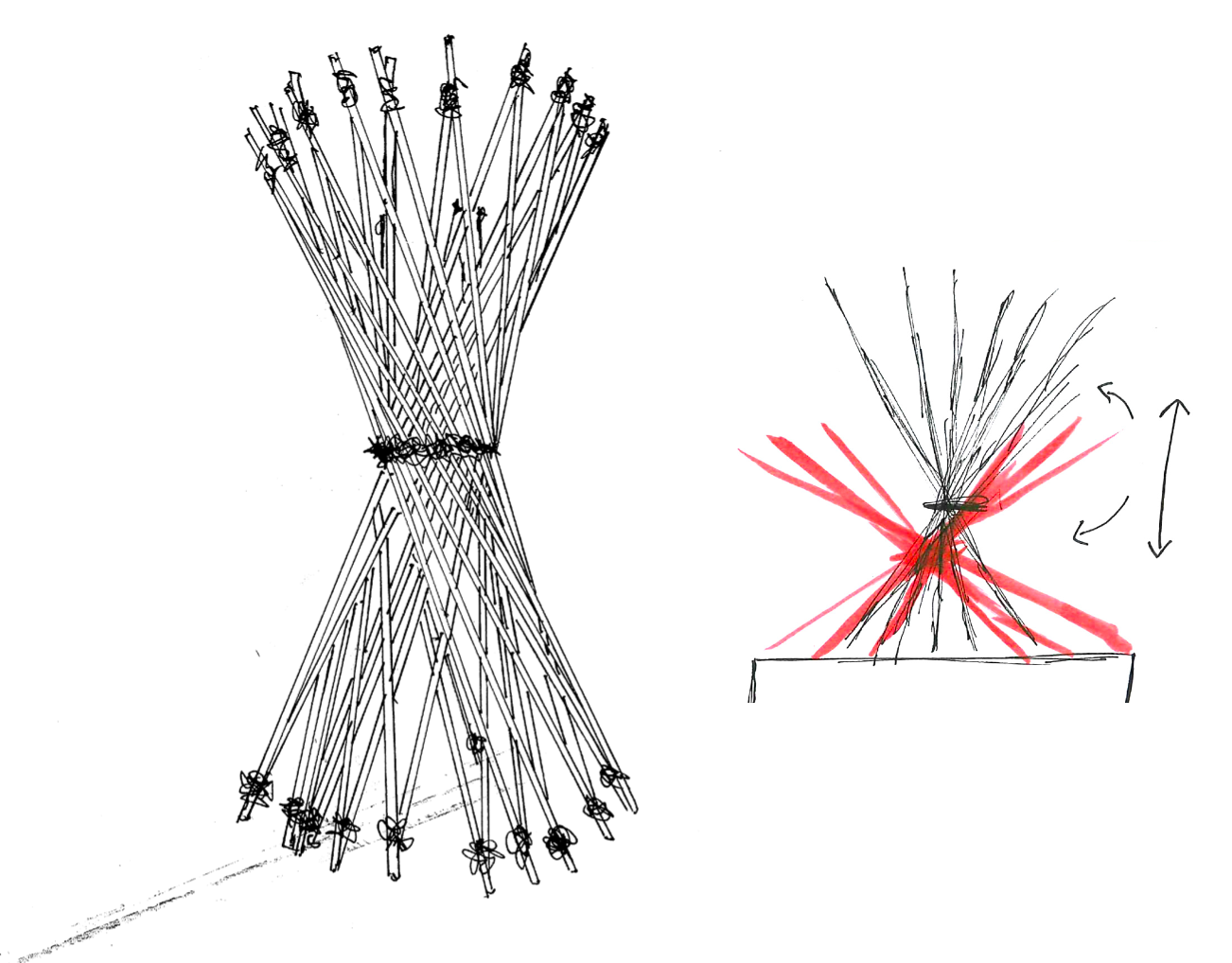
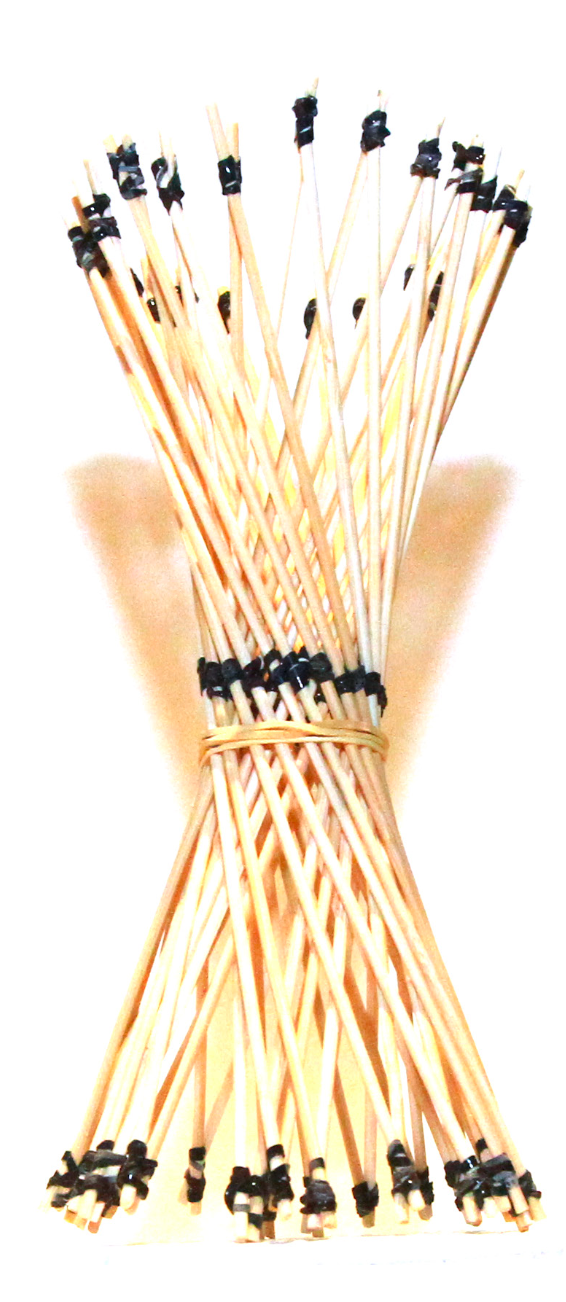
Linear models were developed to explore the interaction between vertical and horizontal movements within a structure. By blending these movements, the design aimed to create a dynamic tension between opposing forces. This exploration led to the creation of structures where linear and horizontal elements work in harmony or opposition, adding complexity to the architectural form.
Surface Model Experimentation
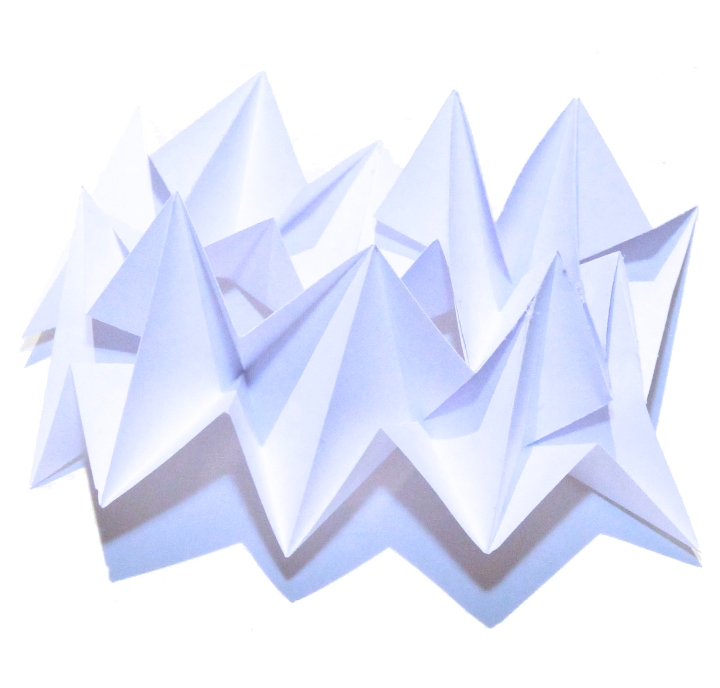
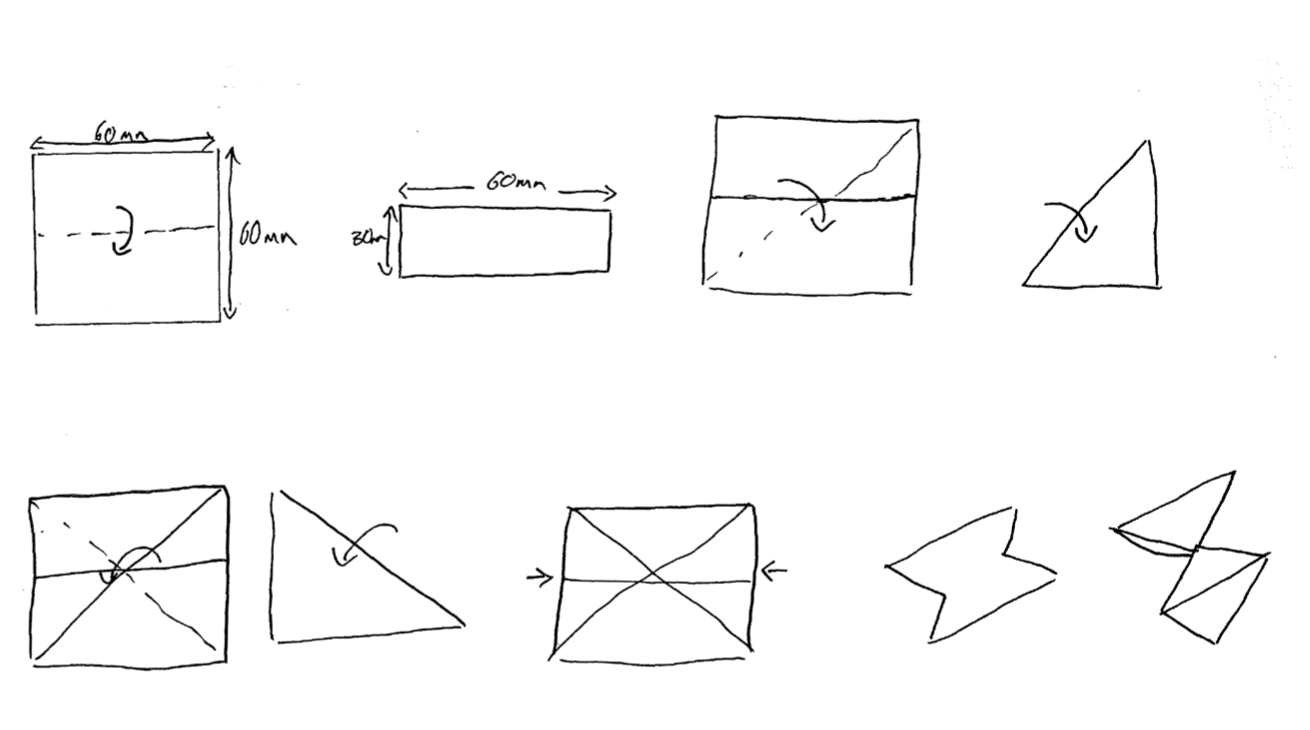
The surface model stage delved into the manipulation of paper through folding techniques. The goal was to generate movement and expansion within a mass by joining individual units. The folds, repeated across a surface, created a tessellated pattern that provided both structural strength and aesthetic appeal. This method of folding also allowed for the exploration of negative space and the creation of a flow from interior to exterior spaces.
Final Model and Tessellation Architecture
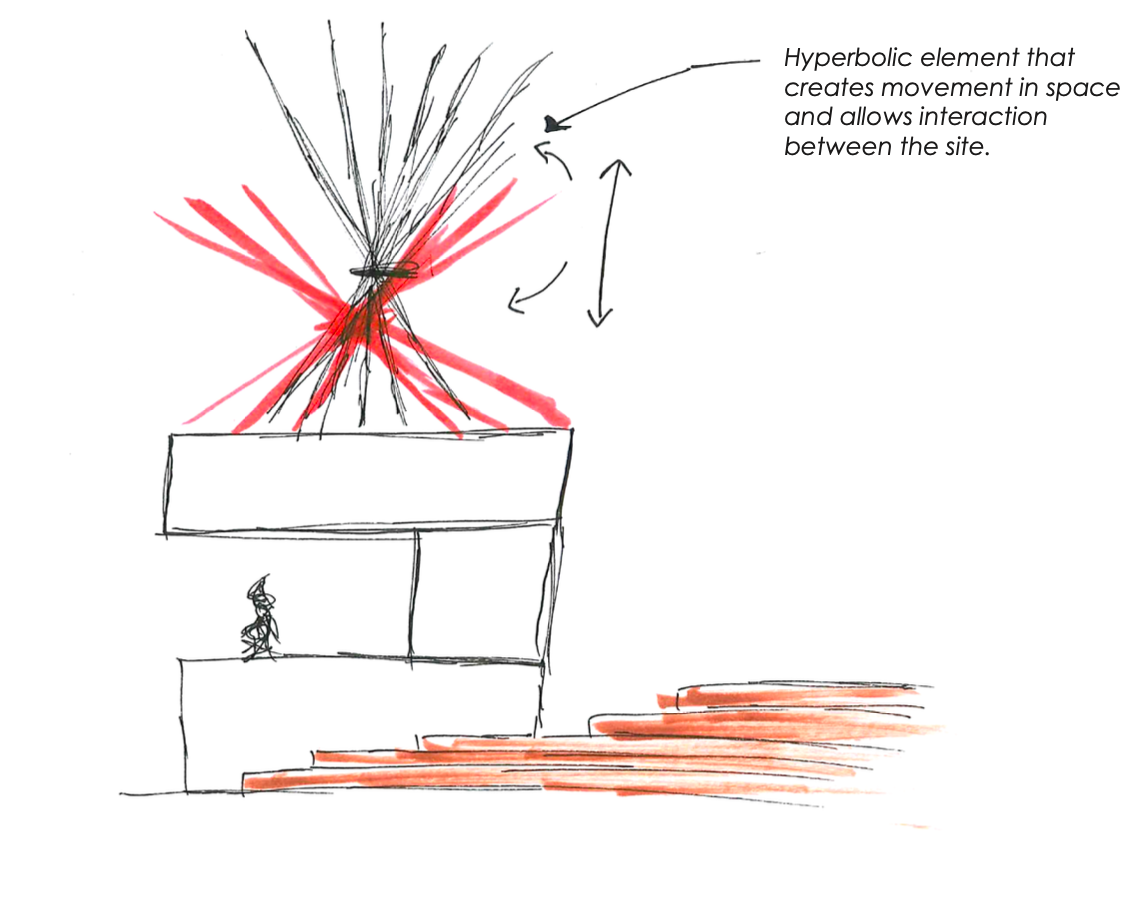
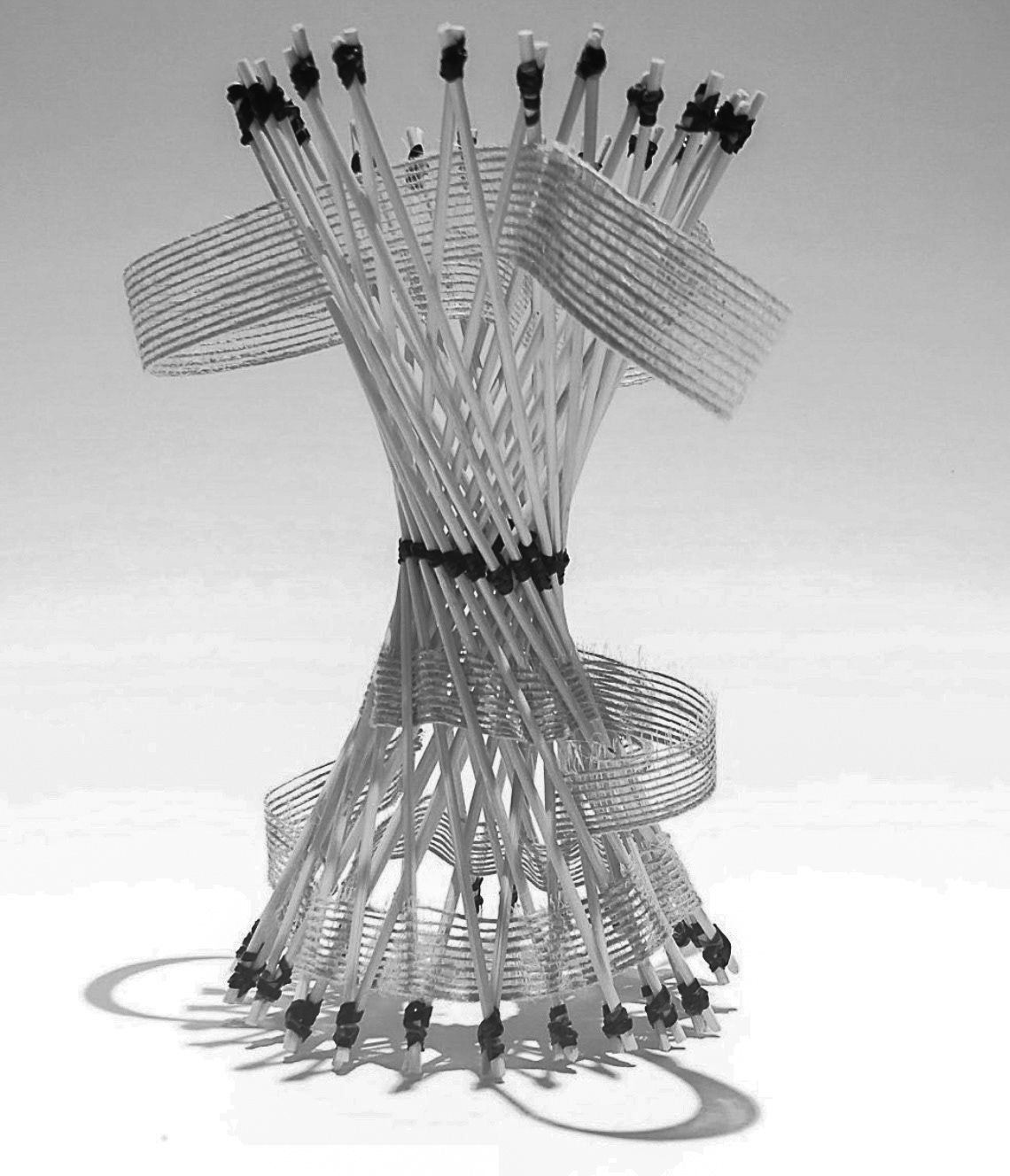
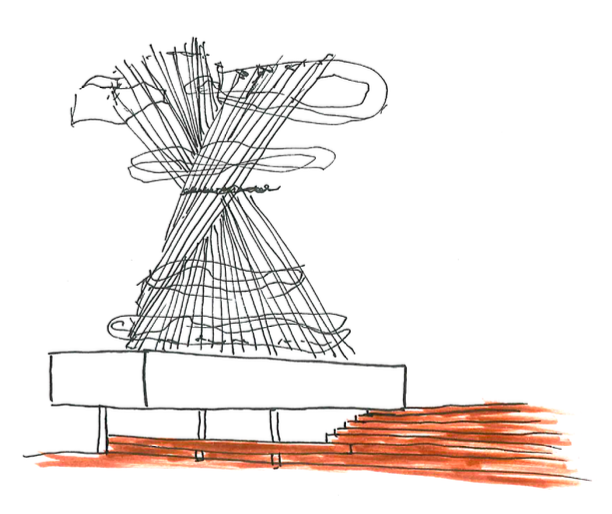
The culmination of these explorations was the development of a final model that integrated the lessons learned from previous experiments. The design emphasized the use of herringbone tessellation, a method that allowed for the seamless integration of repetitive units into a cohesive architectural form. Additionally, hyperboloid elements were introduced to further enhance the structure's spatial dynamics, creating interactive and visually stimulating environments.
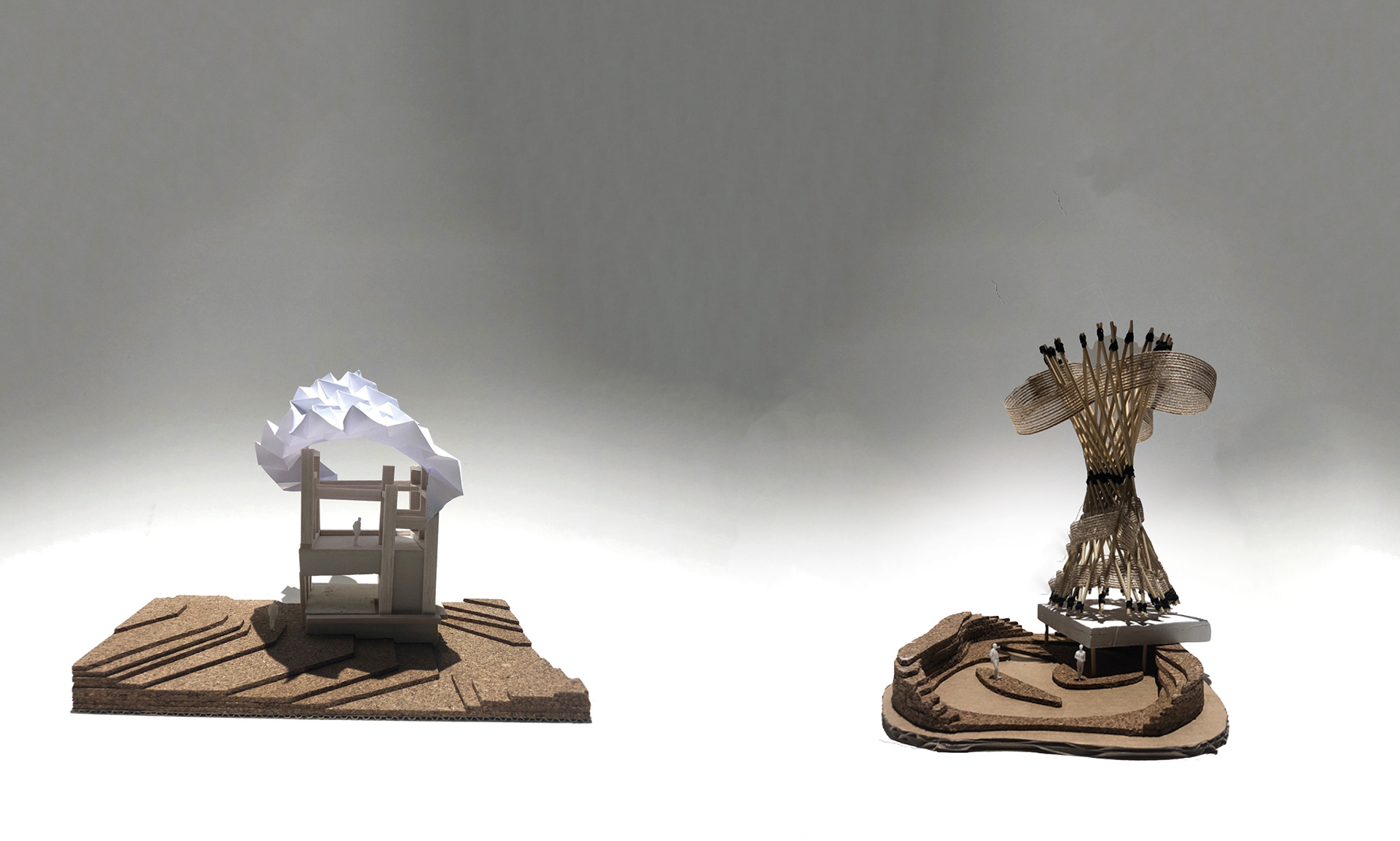
This architectural exploration represents a comprehensive investigation into the possibilities of form, material, and space. By engaging with different modeling techniques, the design process reveals a commitment to pushing the boundaries of traditional architectural practices. The resulting structures are not only functional but also serve as a testament to the power of iterative experimentation in the pursuit of architectural innovation.